
Understanding MERV Ratings: A Florida Homeowner’s Guide to Cleaner Air
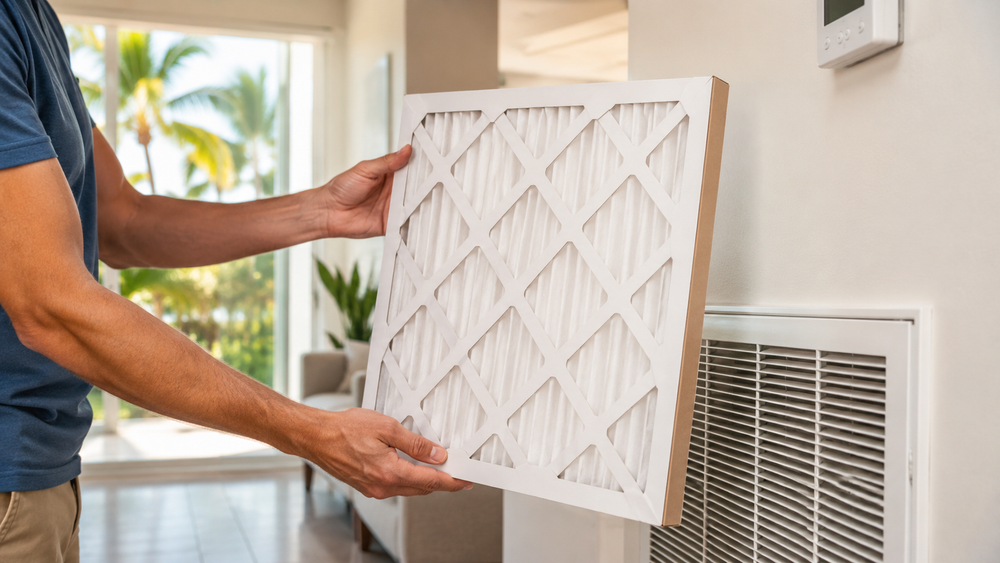
Florida homeowners face unique indoor air‑quality challenges. Coastal salt spray, construction dust, humidity‑driven mold spores and a year‑round HVAC season all put heavy demands on air filters. Because your filter is the first line of defense against dust, pollen, bacteria and even smoke, choosing the right rating is key to protecting your family and your HVAC system. This guide explains what MERV ratings mean, why they matter in Florida’s climate and how to choose a filter that balances clean air with energy efficiency.
What Does “MERV” Mean?
MERV stands for Minimum Efficiency Reporting Value—a standardized way to compare how well air filters capture particles between 0.3 and 10 microns. The rating was developed by the American Society of Heating, Refrigerating and Air‑Conditioning Engineers (ASHRAE). Higher numbers mean finer filtration; for example, a MERV‑13 filter can remove at least 85 % of 1–3 µm particles such as smoke and bacteria. The U.S. Environmental Protection Agency suggests choosing a filter rated at least MERV 13 or as high as your system can accommodate and replacing it regularly to maintain performance.
Florida’s Air‑Quality Challenges
Florida’s diverse environments expose HVAC systems to different contaminants:
- Coastal homes deal with salt spray, which can corrode equipment and clog filters.
- Urban areas are exposed to vehicle emissions and dust from frequent construction.
- Suburbs encounter landscaping debris and seasonal pollen.
- Hurricane season brings mold spores, which flourish after storms and require more aggressive filtration.
These factors mean Floridians often need filters that can capture smaller particles and withstand moist conditions. During hurricane season, for example, HVAC professionals recommend upgrading to a higher‑rated filter to handle the surge of mold spores.
Decoding MERV Ratings
The MERV scale runs from 1 to 16. Here’s what common ranges mean for homeowners:
| MERV Rating | Particles Filtered | Suitability for Florida |
|---|---|---|
| 1–4 | Captures only large dust; minimal filtration | Not recommended because it does little to stop Florida’s pollen, mold or smoke. |
| 5–8 | Catches pollen, dust mites and larger particles | Acceptable minimum but may not protect against finer allergens. |
| 9–12 | Removes pet dander, mold spores and fine dust | Recommended for most homes; provides a good balance between airflow and filtration. |
| 13–16 | Traps bacteria, smoke and even some viruses | Ideal for coastal or urban areas with high pollution or mold; may restrict airflow on older systems. |
Checking Compatibility
Higher ratings trap more contaminants but can increase static pressure. If your system isn’t designed for high‑MERV filters, airflow may drop and the blower motor may have to work harder. Field tests show that properly matched MERV 11–13 filters can boost indoor air quality with only a 1–2 % increase in energy use, whereas mismatched filters on undersized or older units can cut airflow by up to 18 %. Before upgrading, check your HVAC manual or consult a professional to confirm what your system can handle. Some manufacturers recommend different ratings depending on the season or your location for instance, using a MERV 11 filter during hurricane season.
Filter Types for Florida Homes
While MERV tells you how well a filter captures particles, it doesn’t describe the technology. Here are common filter types and why they matter in Florida’s humid climate:
- Pleated or electrostatic filters – These disposable filters are the most common and come in MERV ranges from 8 to 13. They’re great for homes with pets or allergies.
- UV filters – Mounted inside the air handler, UV lights neutralize bacteria and mold spores. They’re particularly useful in humid climates like Florida but don’t remove dust, so they should be paired with a pleated filter.
- Activated carbon filters – Use charcoal to absorb odors and volatile organic compounds. Helpful for homes with strong cooking or pet odors; however, they should be combined with another filter for particle removal.
- Washable filters – These reusable filters cut waste but must be cleaned regularly. In Florida’s humidity they require careful monthly washing to prevent mold growth.
Energy Efficiency & Maintenance
A clean filter not only improves indoor air quality—it helps your HVAC system run efficiently. Research shows that clogged filters are the main cause of airflow loss and energy waste. For most homes, disposable filters should be replaced every 1–3 months, and more often if you have pets, allergies or notice reduced airflow. UV or activated carbon components should be serviced according to the manufacturer’s schedule. Remember that a higher‑MERV filter will only add about 1–2 % to your energy use if it matches your system’s specifications—so the biggest efficiency gains come from replacing filters on time and ensuring your ductwork is sealed and clean.
Choosing the Right Filter for Your Florida Home
- Assess your environment. Coastal, urban or allergy‑prone households may need a higher MERV filter to combat mold, pollution and pollen. If humidity or storm‑related mold is a concern, consider adding a UV filter.
- Check your system’s manual. Some older or undersized units can’t handle filters above MERV 8 or 9. Upgrading without confirmation can restrict airflow and raise energy bills.
- Balance filtration and airflow. For most Florida homes, MERV 9–12 pleated filters provide excellent protection against mold spores, dust and pet dander while maintaining airflow. Homes in high‑pollution areas or with family members who have respiratory issues may benefit from MERV 13–16 filters—just verify compatibility first.
- Maintain a regular replacement schedule. Inspect your filter monthly and replace it every 1–3 months, or sooner if it looks dirty. Clean or replace UV lamps and carbon inserts as recommended by the manufacturer.
- Consider an air filter subscription. Services like VentWell deliver the correct filter size and rating to your doorstep on the right schedule so you never forget a replacement. This convenience helps you maintain healthy indoor air and keeps your HVAC system running efficiently year‑round.
Final Thoughts
Florida’s climate demands a smart approach to air filtration. Understanding MERV ratings empowers you to choose a filter that meets your family’s needs without overworking your system. By considering the pollutants in your area, verifying your HVAC unit’s compatibility and sticking to a regular replacement schedule, you can enjoy cleaner air and lower energy bills. If you’re tired of guessing when to change your filter or what size to buy, VentWell can help. We’ll deliver the right filter, at the right time so you can breathe easy and focus on enjoying life in the Sunshine State.
Ready to stop thinking about air filters?
A Florida-built filter plan, set up in three minutes. The right filters arrive on your schedule — no more store runs, no more guessing.